


Your shopping cart
I N S E C T S
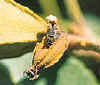 Pecan Nut CaseBearer
Pecan nut casebearer, Acrobasis nuxvorella, overwinters as partially grown larvae in small cocoons (hibernacula) located at the junction of the bud and stem. Larvae leave the cocoons in the early spring about the time the buds open, feed briefly (about two weeks) on the exterior of opening buds and then bore into the young tender shoots, where they mature and pupate.

 Hickory Shuckworm
Mature larvae of Hickory shuckworm, Cydia caryana, overwinter in pecan shucks found on the ground or the tree and emerge as moths in mid-May. Spring development of hickory shuckworm coincides with that of native hickory trees, which set fruit two to three weeks earlier than pecans.
Nut Curculio
The adult nut curculio attacks immature pecans from mid-July to mid-August. Females make shallow, crescent-shaped punctures with their beaks in the shucks of immature nuts, and they deposit a single egg in each nut.
 Pecan Weevil
The adult pecan weevil typically emerges from the soil as early as July 25, frequently two to three days after a heavy rain. Adults cause two types of nut damage, depending on the stage of nut development during attack. Adults feeding on nuts before the gel stage (i.e., in the water stage, usually before shell hardening) induce kernel shriveling and blackening and premature nut drop.
 Pecan Phylloxera
Three species of phylloxera (Phylloxera devastratrix) are pecan pests, but only the pecan phylloxera causes economic damage in certain years. The pecan leaf phylloxera and the southern pecan leaf phylloxera feed primarily on the foliage, whereas the pecan phylloxera attacks the foliage, shoots and fruit and is therefore the most damaging.
D I S E A S E S
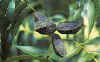 Pecan Scab
The pecan scab fungus (Cladosporium caryigenum) overwinters as a small, tight mat of fungal material called a "stroma" on shucks, leaf petioles and stems infected the previous season. With warmer temperatures and rainfall in the spring, fungal spores are produced on the stroma. Dew and rain spread spores locally within a tree, and the wind spreads them over long distances to adjacent trees or orchards.