

Your shopping cart
 Like the tale of the sorcerer’s apprentice, the gypsy moth (Lymantria dispar) is an example of an experiment gone horribly wrong. The moth was brought to the United States in 1869 in a failed attempt to start a silkworm industry. Escaping soon after, the gypsy moth has become, over the past century, a major pest in the northeastern United States and southeastern Canada.
-
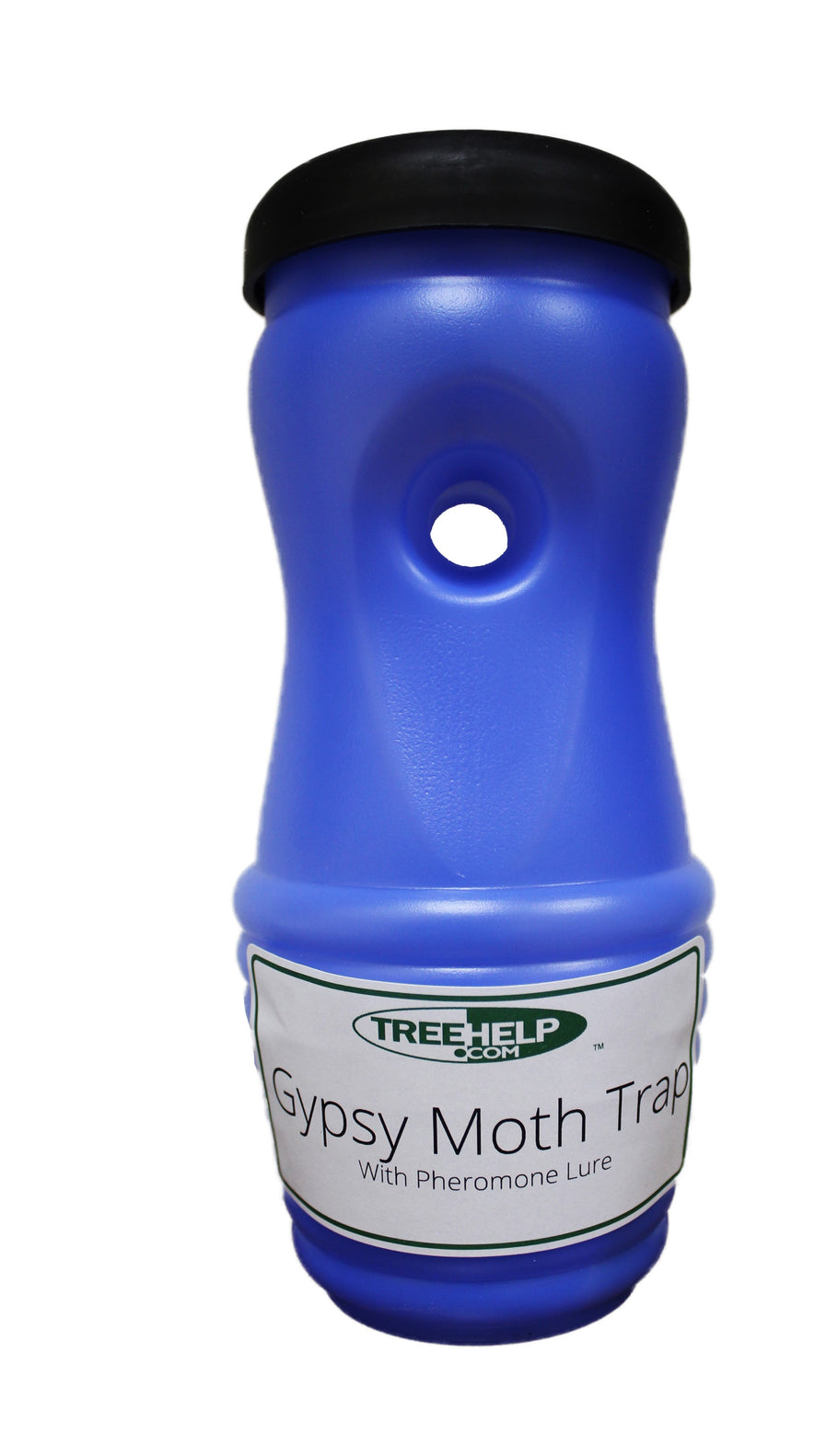
TreeHelp Spongy (Gypsy) Moth Trap (Reusable) Includes:One Gypsy Moth TrapOne Gypsy Moth Lure (Refrigerate Until Use) The Gypsy Moth Trap is an effective weapon against the...
- Regular price
- $12.95
- Regular price
-
- Sale price
- $12.95
- Unit price
- per
-
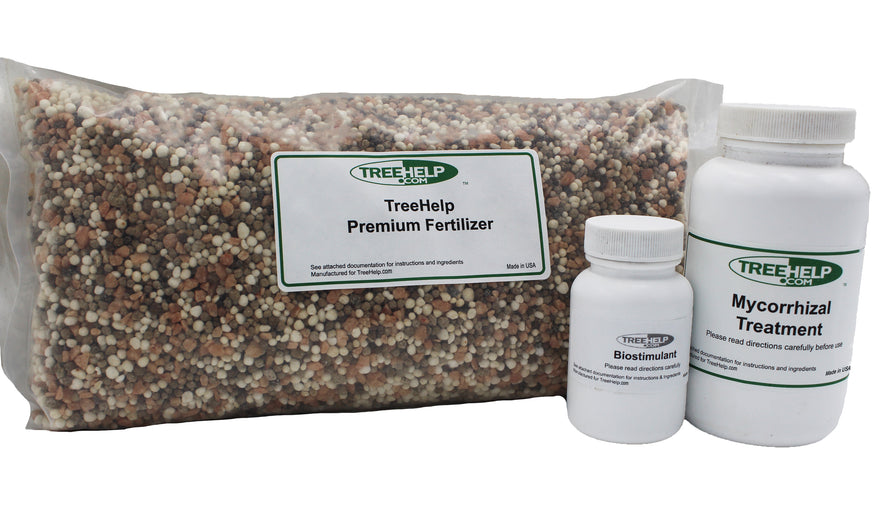
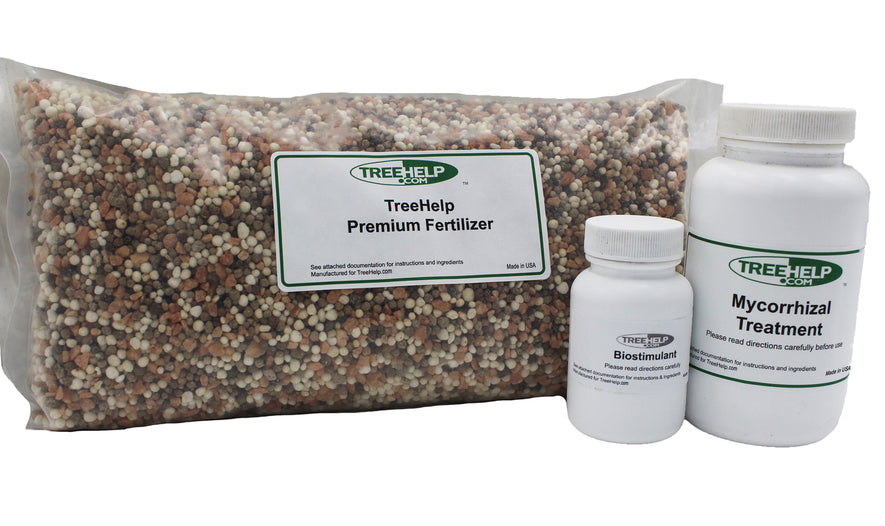
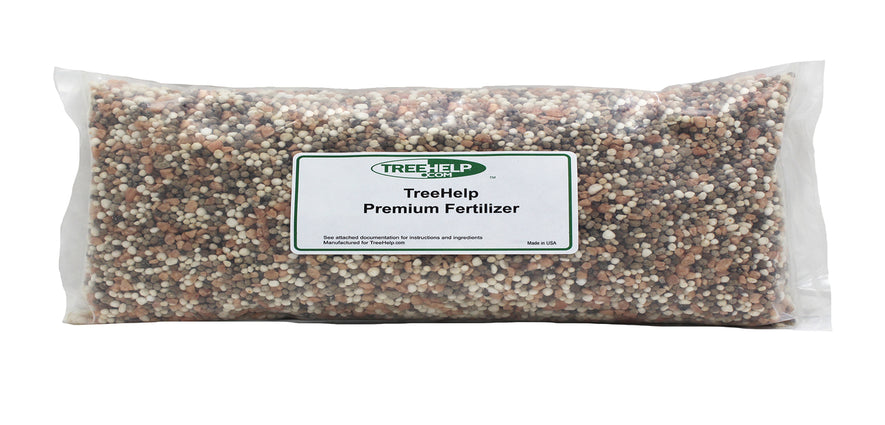
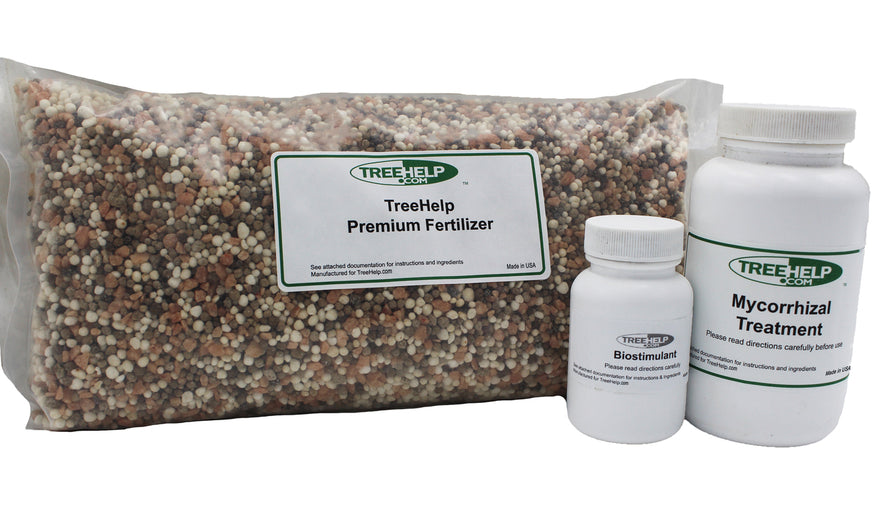
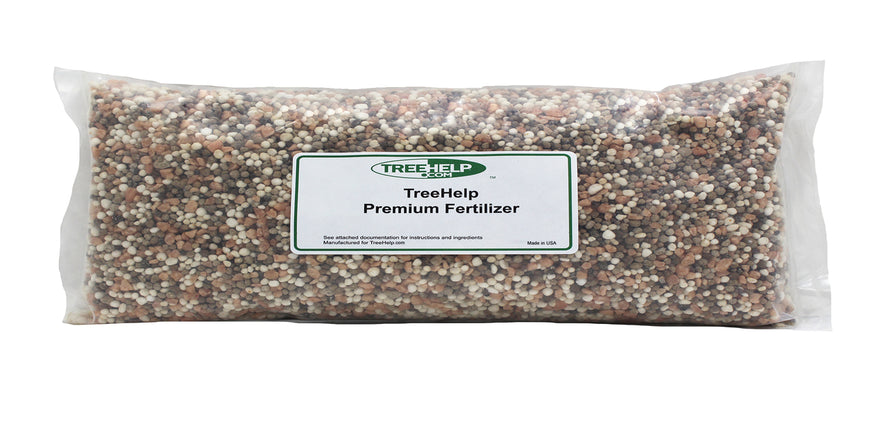
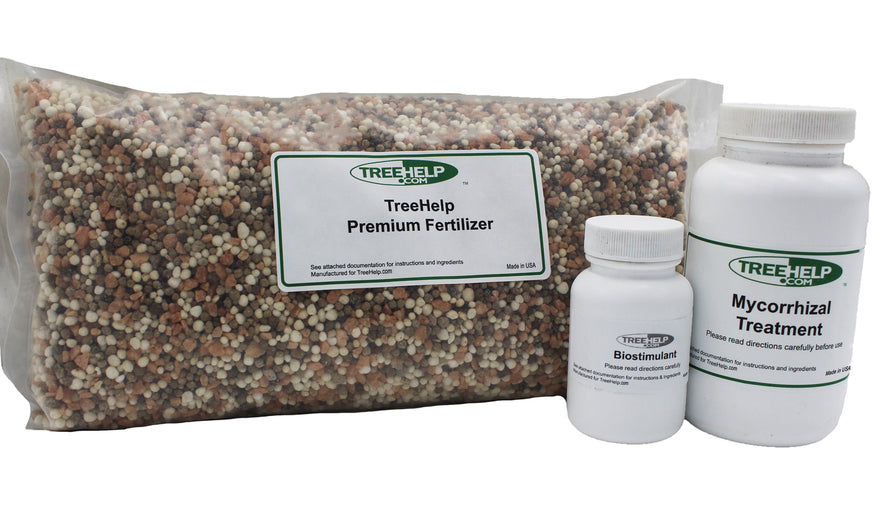
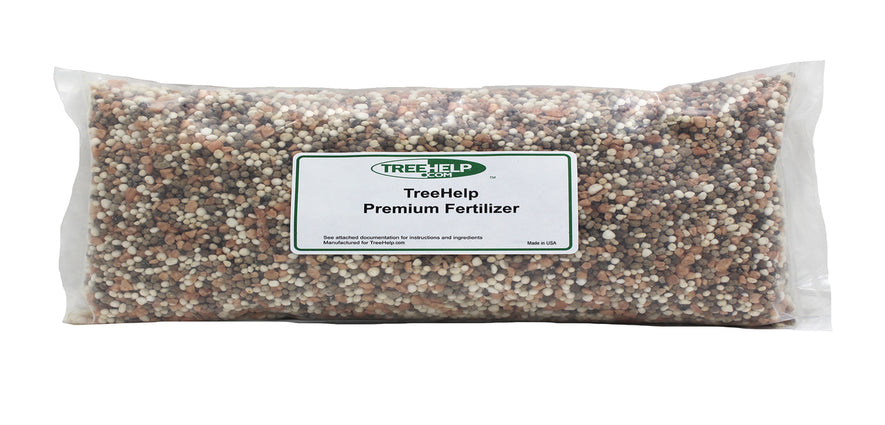
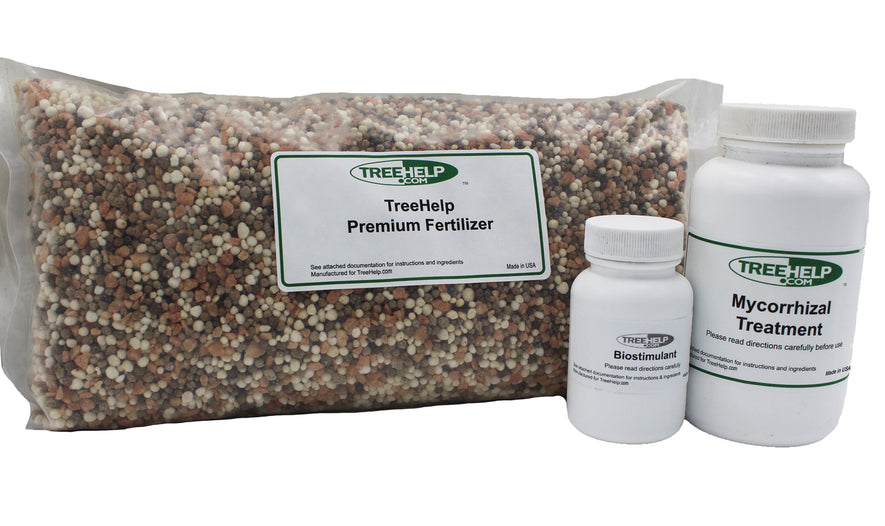
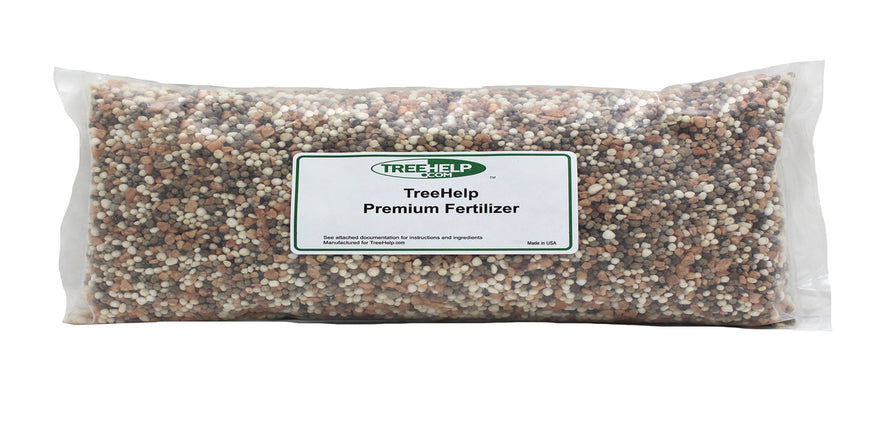
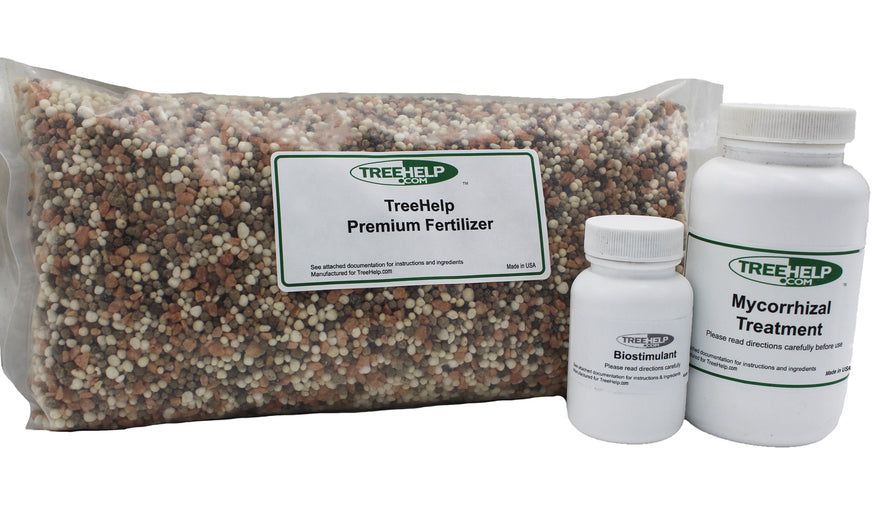
TreeHelp Annual Care Kit TreeHelp developed easy-to-use Annual Care Kits to help homeowners maintain healthy and vibrant trees. TreeHelp Annual Care Kits provide health...
- Regular price
- $33.95
- Regular price
-
- Sale price
- $33.95
- Unit price
- per
-
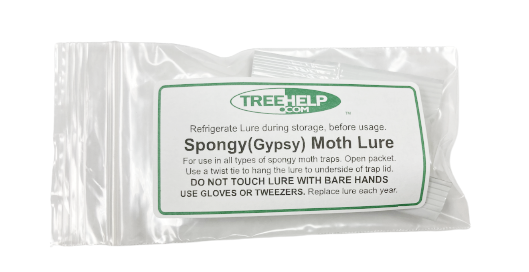
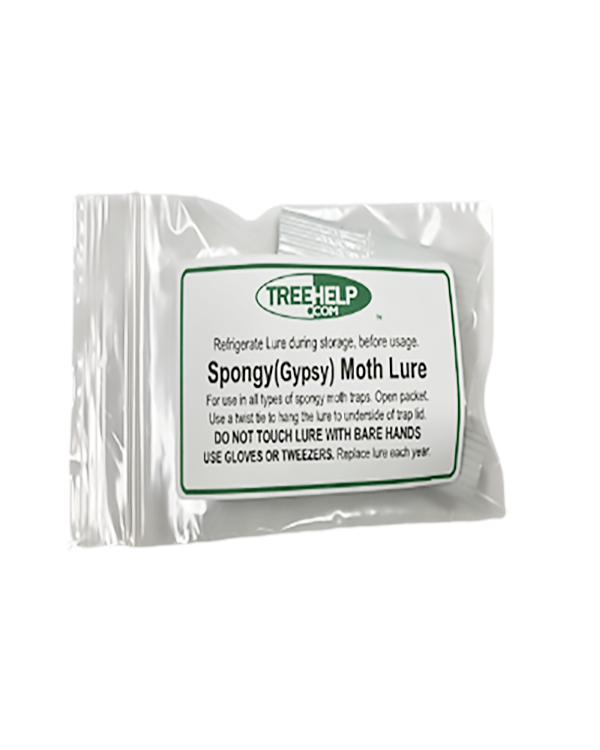
TreeHelp Spongy (Gypsy) Moth Trap Replacement... Contains 1 bait pack. For use in all types of Spongy (Gypsy) Moth Traps. Lures should be replaced annually. Lure...
- Regular price
- $6.95
- Regular price
-
- Sale price
- $6.95
- Unit price
- per
-
TreeHelp Annual Care Kit: Oak TreeHelp developed easy-to-use Annual Care Kits to help homeowners maintain healthy and vibrant oak trees. TreeHelp Annual Care Kits for...
- Regular price
- $33.95
- Regular price
-
- Sale price
- $33.95
- Unit price
- per
-
TreeHelp Annual Care Kit: Maple TreeHelp developed easy-to-use Annual Care Kits to help homeowners maintain healthy and vibrant maple trees. TreeHelp Annual Care Kits for...
- Regular price
- $33.95
- Regular price
-
- Sale price
- $33.95
- Unit price
- per
-
TreeHelp Annual Care Kit: Birch TreeHelp developed easy-to-use Annual Care Kits to help homeowners maintain healthy and vibrant birch trees. TreeHelp Annual Care Kits for...
- Regular price
- $33.95
- Regular price
-
- Sale price
- $33.95
- Unit price
- per
-
TreeHelp Annual Care Kit: Dogwood TreeHelp developed easy-to-use Annual Care Kits to help homeowners maintain healthy and vibrant dogwood trees. TreeHelp Annual Care Kits for...
- Regular price
- $33.95
- Regular price
-
- Sale price
- $33.95
- Unit price
- per
-
TreeHelp Bug Band Protective Insect Barrier,... 10-foot roll includes string and instructions. The TreeHelp Bug Band represents a simple, cost-effective method to control a variety of damaging insect...
- Regular price
- $14.95
- Regular price
-
- Sale price
- $14.95
- Unit price
- per
-
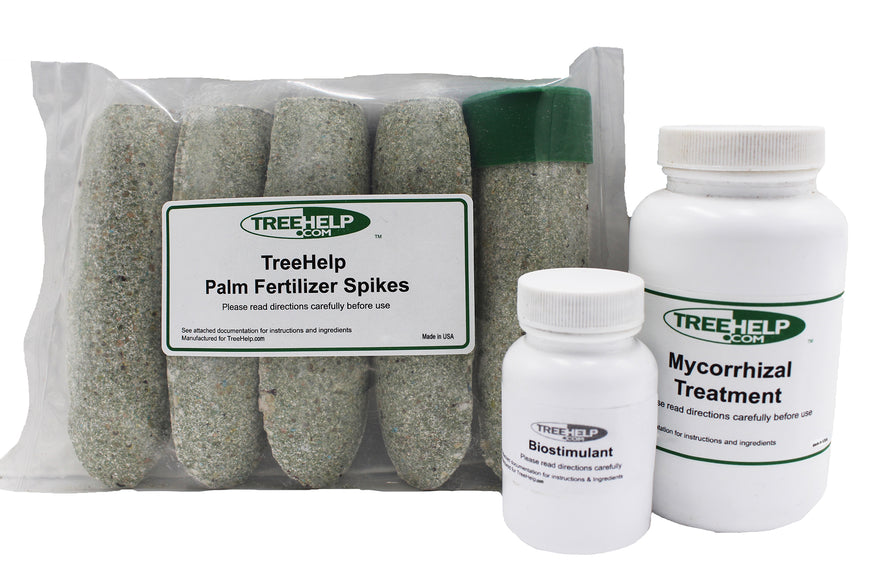
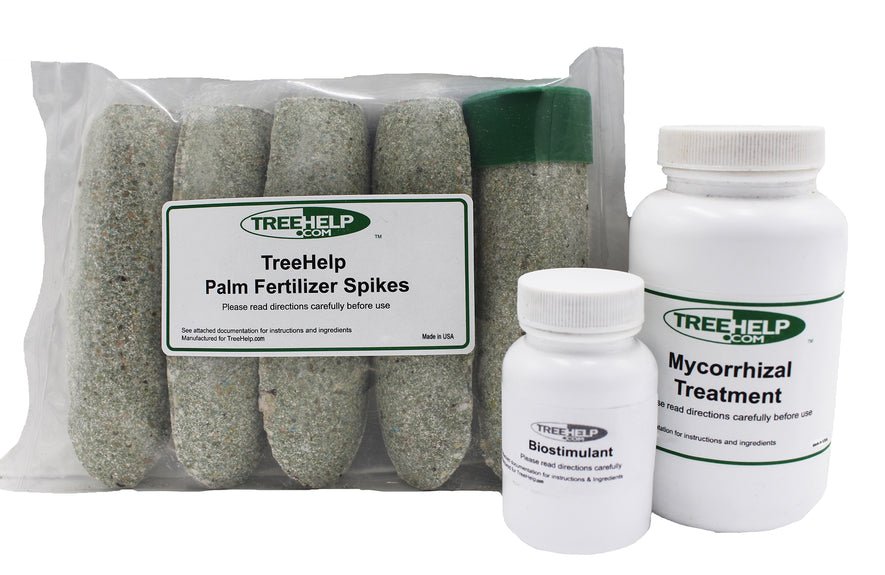
TreeHelp Annual Care Kit: Palms &... A complete do-it-yourself care package to maintain healthy and beautiful palms, palmettos and sagos. This kit is designed to treat...
- Regular price
- $33.95
- Regular price
-
- Sale price
- $33.95
- Unit price
- per
-
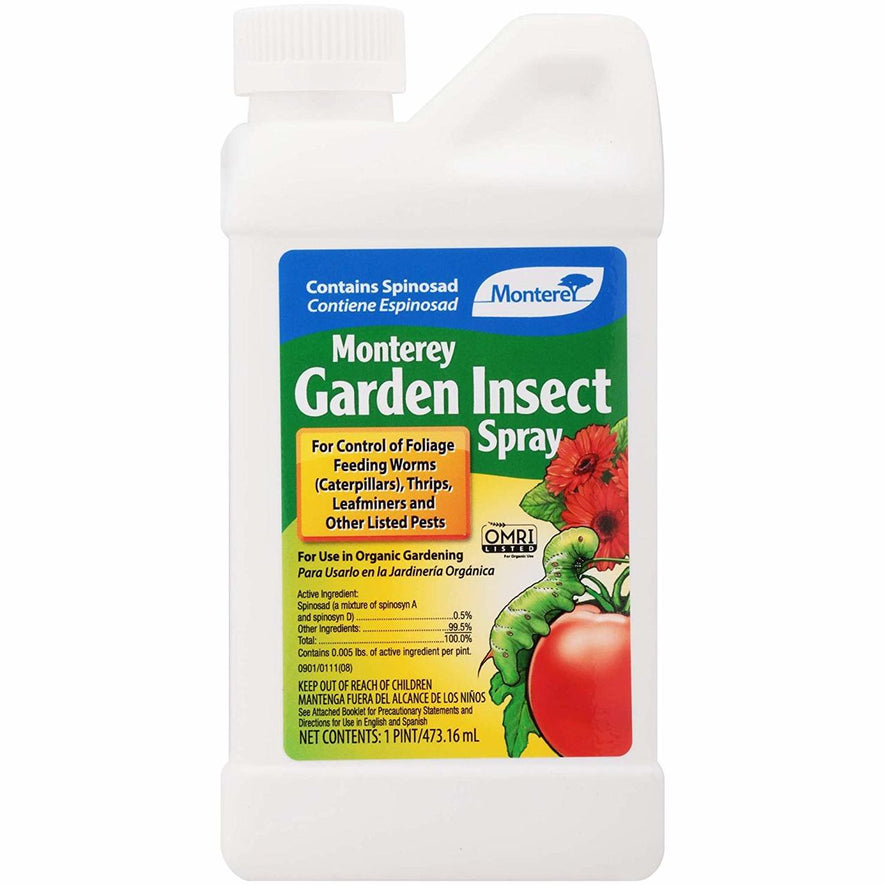
Garden Insect Spray with Spinosad 1 Pint (16 oz.) Concentrate (makes 8 gallons of spray) Garden Insect Spray with Spinosad is part of a new...
- Regular price
- $24.95
- Regular price
-
- Sale price
- $24.95
- Unit price
- per
-
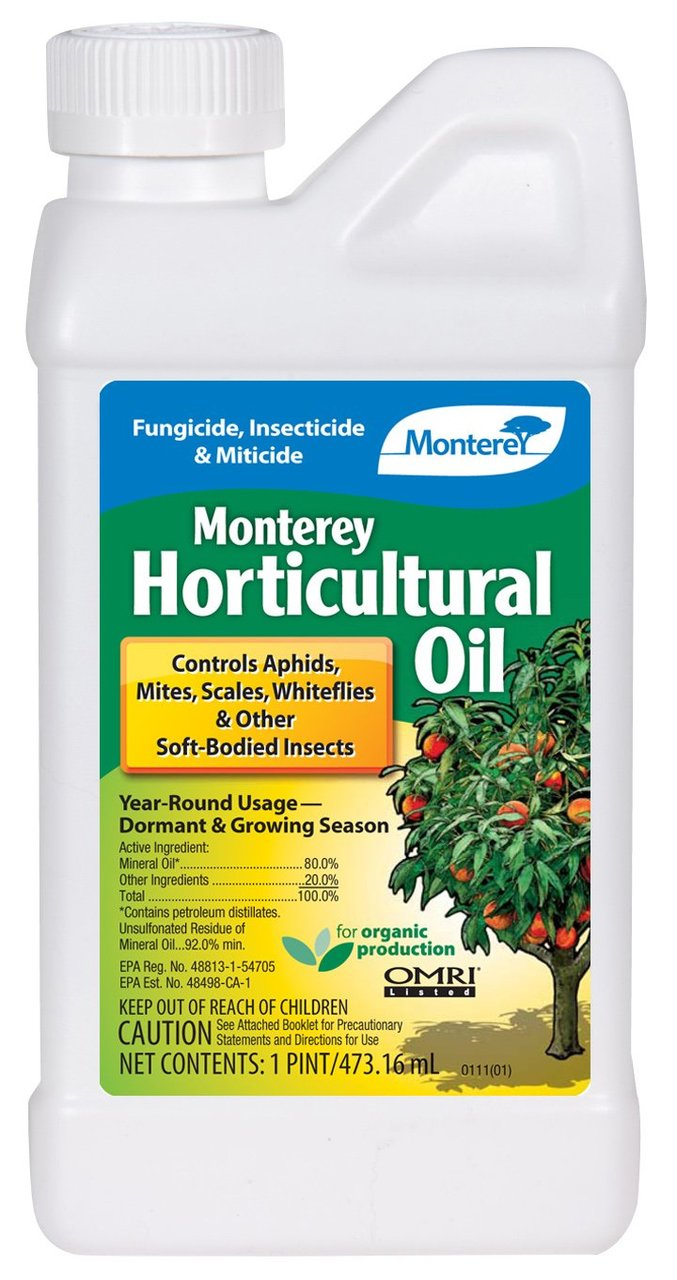
Horticultural Oil Insect Spray, 1 Pint 16 fl. oz. (473mL) concentrate Horticultural Oil Insect Spray is a concentrated oil that is mixed with water and then...
- Regular price
- $13.95
- Regular price
-
- Sale price
- $13.95
- Unit price
- per
-
TreeHelp Annual Care Kit: Ash TreeHelp developed easy-to-use Annual Care Kits to help homeowners maintain healthy and vibrant ash trees. TreeHelp Annual Care Kits for...
- Regular price
- $33.95
- Regular price
-
- Sale price
- $33.95
- Unit price
- per