TreeHelp.com
Your Account Help Contact


Tree Care Info

BBBOnLine Reliability Seal

ORDER ONLINE or
BY TOLL-FREE PHONE
1-877-356-7333

Jeff Tekavcic is the General Manager of TreeHelp.com.  If you have questions about TreeHelp's products, please do not hesitate to contact him or any of our staff. Need help with our products?
Read our FAQs
or
Contact
Customer Service

$6.95 Flat-fee shipping
¤
U.S. orders shipped from Buffalo, NY
¤
Canadian orders shipped from Toronto, ON


Home > Trees > Species Info > Oak Trees > Insects and Diseases >
Spider Mites

Honeylocust spider mites Spider Mite injury to eggplant

Honeylocust spider mites, with eggs
Colorado State University Extension Service

Twospotted spider mite injury to eggplant
Colorado State University Extension Service

Quick Facts...

  • Spider mites are common plant pests. Symptoms of injury include flecking, discoloration (bronzing) and scorching of leaves. Injury can lead to leaf loss and even plant death.

  • Natural enemies include small lady beetles, predatory mites, minute pirate bugs, big-eyed bugs and predatory thrips.

  • One reason that spider mites become a problem is insecticides that kill their natural predators.

  • Irrigation and moisture management can be important cultural controls for spider mites.

Spider mites are common pest problems on many plants around yards and gardens in North America. Injury is caused as they feed, bruising the cells with their small, whiplike mouthparts and ingesting the sap. Damaged areas typically appear marked with many small, light flecks, giving the plant a somewhat speckled appearance.

Following severe infestations, leaves become discolored, producing an unthrifty gray or bronze look to the plant. Leaves and needles may ultimately become scorched and drop prematurely. Spider mites frequently kill plants or cause serious stress to them.

Spider mites (Family: Tetranychidae) are classed as a type of arachnid, relatives of insects that also includes spiders, ticks, daddy-longlegs and scorpions. Spider mites are small and often difficult to see with the unaided eye. Their colors range from red and brown to yellow and green, depending on the species of spider mite and seasonal changes in their appearance.

Many spider mites produce webbing, particularly when they occur in high populations. This webbing gives the mites and their eggs some protection from natural enemies and environmental fluctuations. Webbing produced by spiders, as well as fluff produced by cottonwoods, often is confused with the webbing of spider mites.

The most important spider mite is the twospotted spider mite (Tetranychus urticae). This mite attacks a wide range of garden plants, including many vegetables (e.g., beans, eggplant), fruits (e.g., raspberries, currants, pear) and flowers. The twospotted spider mite is also the most important species on house plants. It is a prolific producer of webbing.

Evergreens tend to host other mites, notably the spruce spider mite (Oligonychus ununguis) on spruce and juniper, Oligonychus subnudus on pines, and Platytetranychus libocedri on arborvitae and juniper. Honeylocust, particularly those in drier sites, are almost invariably infested with the honeylocust spider mite (Platytetranychus multidigituli). Other mites may affect shade trees such as elm, mountain ash and oak.

Another complex of mites is associated with turfgrass, including the clover mite and Banks grass mite. These are discussed separately in fact sheet 5.505, Clover and Other Mites of Turfgrass. Clover mites also are the common mite that enters homes in fall and spring, sometimes creating significant nuisance problems in the process.

Life History and Habits

Spider mites develop from eggs, which usually are laid near the veins of leaves during the growing season. Most spider mite eggs are round and extremely large in proportion to the size of the mother. After egg hatch, the old egg shells remain and can be useful in diagnosing spider mite problems.

There is some variation in the habits of the different mites that attack garden plants, trees and shrubs. Outdoors, the twospotted spider mite and honeylocust spider mite survive winter as adults hidden in protected areas such as bark cracks, bud scales or under debris around the garden. Other mites survive the cool season in the egg stage. As winter approaches, most mites change color, often turning more red or orange. This habit may be why they are sometimes called "red spiders."

Most spider mite activity peaks during the warmer months. They can develop rapidly during this time, becoming full-grown in as little as a week after eggs hatch. After mating, mature females may produce a dozen eggs daily for a couple of weeks. The fast development rate and high egg production can lead to extremely rapid increases in mite populations.

Other species of spider mites are most active during the cooler periods of the growing season, in spring and fall. This includes the spruce spider mite and most of the mites that can damage turfgrass. These cool-season spider mites may cease development and produce dormant eggs to survive hot summer weather.

Dry conditions greatly favor all spider mites, an important reason why they are so important in the more arid areas of the country. They feed more under dry conditions, as the lower humidity allows them to evaporate excess water they excrete. At the same time, most of their natural enemies require more humid conditions and are stressed by arid conditions. Furthermore, plants stressed by drought can produce changes in their chemistry that make them more nutritious to spider mites.


Control

Biological Controls

Various insects and predatory mites feed on spider mites and provide a high level of natural control. One group of small, dark-colored lady beetles known as the "spider mite destroyers" (Stethorus species) are specialized predators of spider mites. Minute pirate bugs, big-eyed bugs (Geocoris species) and predatory thrips can be important natural enemies.

A great many mites in the family Phytoseiidae are predators of spider mites. In addition to those that occur naturally, some of these are produced in commercial insectaries for release as biological controls. Among those most commonly sold via mail order are Galendromus occidentalis, Phytoseiulus persimilis, Mesoseiulus longipes and Neoseiulus californicus. Although these have been successful in control of spider mites on interior plants, effective use outdoors has not been demonstrated in Colorado. Predatory mites often have fairly high requirements for humidity, which can be limiting. Most suppliers provide information regarding use of the predator mites that they carry.

One reason that spider mites become problems in yards and gardens is the use of insecticides that destroy their natural enemies. For example, carbaryl (Sevin) devastates most spider mite natural enemies and can greatly contribute to spider mite outbreaks. Malathion can aggravate some spider mite problems, despite being advertised frequently as effective for mite control. Soil applications of the systemic insecticide imidacloprid (Merit, Marathon) have also contributed to some spider mite outbreaks.

Water Management

Adequate watering of plants during dry conditions can limit the importance of drought stress on spider mite outbreaks. Periodic hosing of plants with a forceful jet of water can physically remove and kill many mites, as well as remove the dust that collects on foliage and interferes with mite predators. Disruption of the webbing also may delay egg laying until new webbing is produced. Sometimes, small changes where mite-susceptible plants are located or how they are watered can greatly influence their susceptibility to spider mite damage.

Chemical Controls

Chemical control of spider mites generally involves pesticides that are specifically developed for spider mite control (miticides or acaricides). Few insecticides are effective for spider mites and many even aggravate problems. Furthermore, strains of spider mites resistant to pesticides frequently develop, making control difficult. Because most miticides do not affect eggs, a repeat application at an approximately 10- to 14-day interval is usually needed for control. Table 1 includes a summary of pesticides that may be useful for managing spider mites.

Control of Spider Mites on House Plants

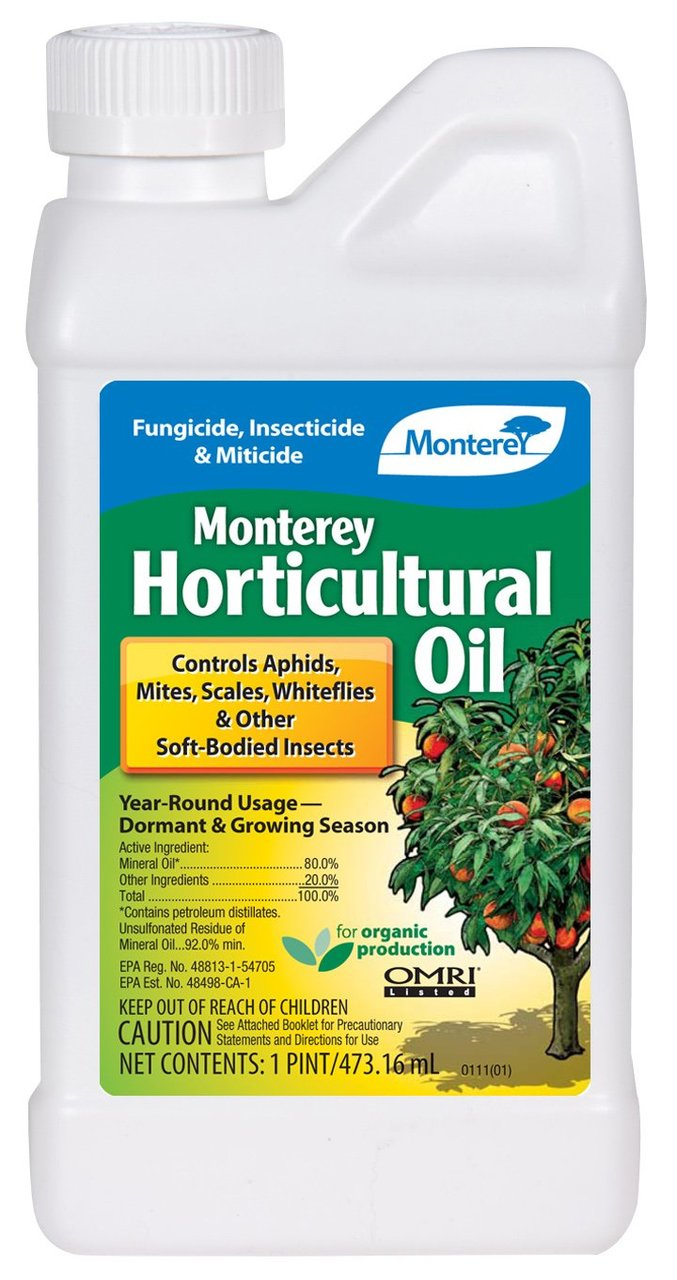
Control on house plants can be particularly frustrating. There generally are no biological controls and few effective chemical controls (primarily soaps and horticultural oils). When attempting control, treat all susceptible house plants at the same time. Trim, bag and remove heavily infested leaves and discard severely infested plants. Periodically hose small plants in the sink or shower. Wipe leaves of larger plants with a soft, damp cloth. Reapply these treatments at one- to two-week intervals as long as populations persist.


Table 1: Pesticides useful to control spider mites in yards and gardens.

Active Ingredient

Trade Name(s)

Comments

acephate

Orthene, certain Isotox formulations

Insecticide with some effectiveness against spider mites. Systemic.

abamectin

Avid

For commercial use only on ornamental plants. Primarily effective against twospotted spider mite; less effective against mites on conifers. Limited systemic movement.

bifenthrin

Talstar

For commercial use only on ornamental plants. Insecticide with good miticide activity.

dimethoate

Cygon

Insecticide with fair miticidal activity. Few food crop registrations. Systemic.

dicofol

Kelthane

Selective miticide labeled for some food crops in addition to ornamental plants. Some reduced activity at higher temperatures.

hexythiazox

Hexygon

For commercial use only on ornamental plants. Selective miticide that affects developing stages and eggs only. One application per season label restriction.

horticultural oils

Sunspray, others

Used at the "summer oil" rate (2 percent), oils are perhaps the most effective miticide available for home use.

insecticidal soap

several

Marginally effective against twospotted spider mite and where webbing prevents penetration. Broadly labeled.

sulfur

various

Generally sold in dust formulation for control of various fungal diseases and some mites on some ornamental and vegetable crops.

1 W.S. Cranshaw, Colorado State University Cooperative Extension entomologist and professor, and D.C. Sclar, research assistant; bioagricultural sciences and pest management. 5/98.

Information provided by the Colorado State University Extension Service

Back to Oak Tree Insects and Diseases

TOP

Browse the Oak Section

Oak Home
Soil Improvement
Fertilizing
Types of Oak
Insects & Diseases
Register Your Oak
Products for your oak tree

 
TreeHelp Store
¤
Flat-rate shipping
¤

Oak Care Kit
Annual Care Kit for Oak Trees

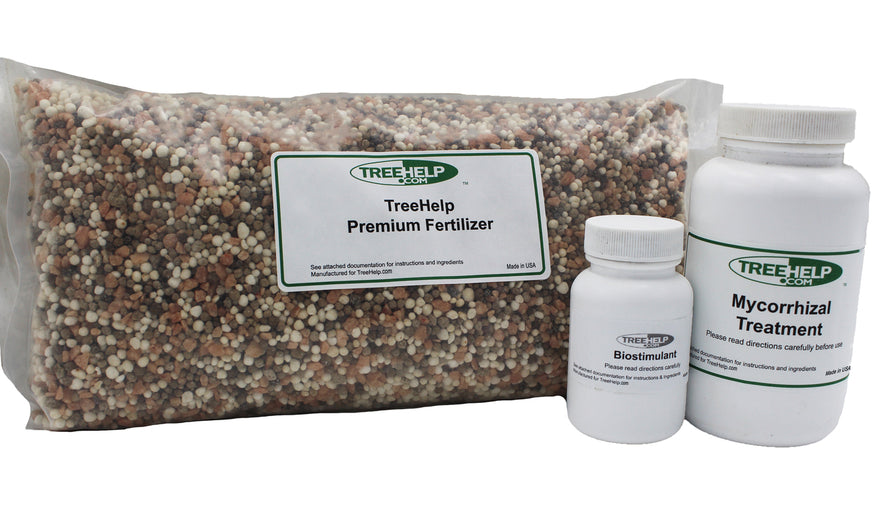
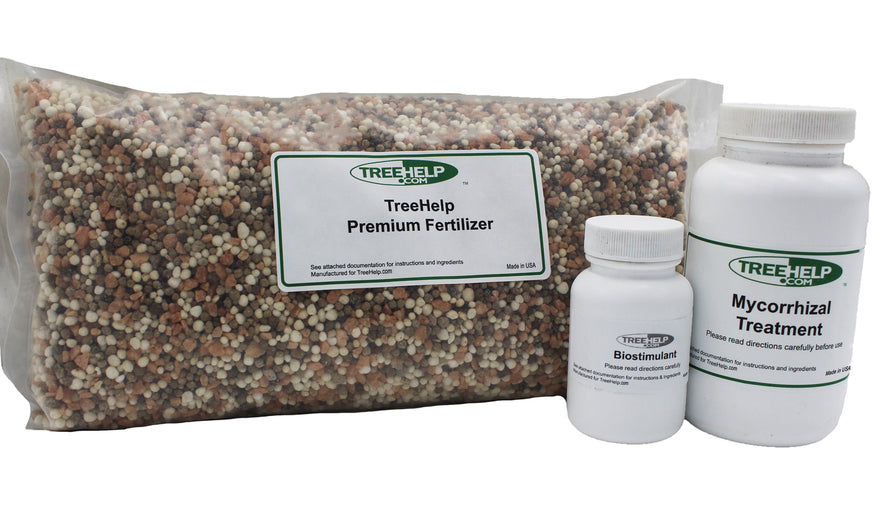
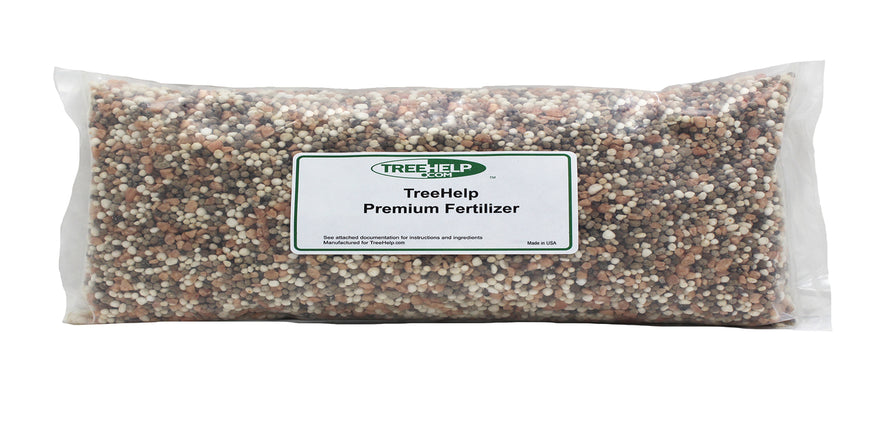
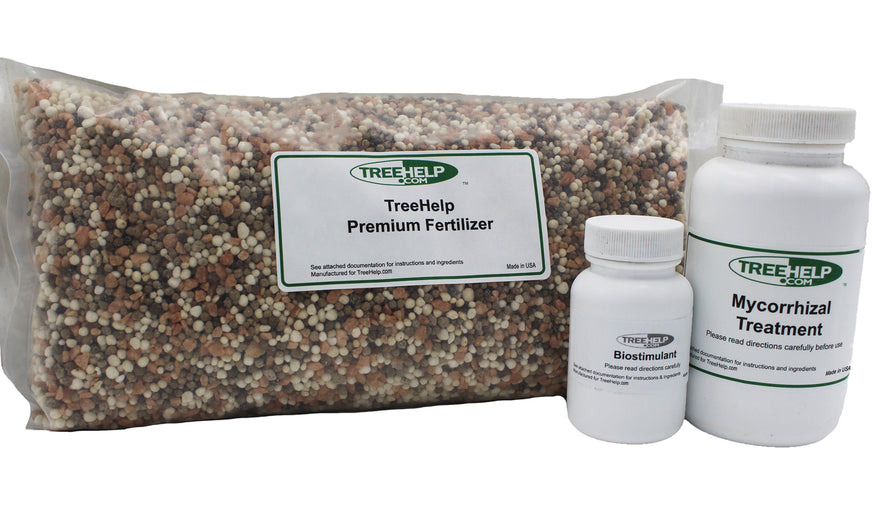
Including: specially selected fertilizer, mycorrhizal fungi, and a biostimulant.


TreeHelp
Rope Saw

Easy and safe way to prune high branches yourself


TreeHelp.com currently accepts
TreeHelp.com accepts Visa, MasterCard, AMEX, Discover and PayPal payments.